
Have you ever felt your phone getting unusually warm while charging?
Or noticed your battery health dropping faster than expected?
Most users blame the charger or the phone itself.
But in reality, the charging cable plays a critical role in charging speed, safety, and long-term battery health.
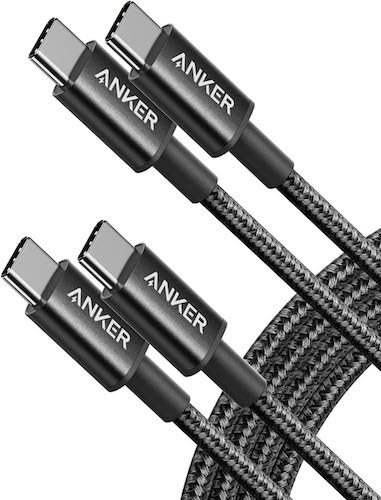
With so many fast charging cables on the market—USB-C, Lightning, braided, budget, premium—it’s easy to pick the wrong one.
This guide explains which fast charging cable is safest, how cable quality affects your phone, and what to look for before buying. Whether you’re a beginner or a tech-savvy user, this article will help you charge faster without damaging your device.
Quick Summary
- Not all fast charging cables are safe
- Cable quality affects heat, charging speed, and battery lifespan
- Certified cables (USB-IF, MFi) are the safest
- Cheap cables may fast charge but damage batteries over time
- Safe fast charging cables regulate power and reduce heat
👉 If you care about battery health, your cable choice matters as much as the charger.
What Is a Fast Charging Cable?
A fast charging cable is designed to handle higher power output compared to standard cables.
Standard cables usually support:
- 5W to 10W charging
Fast charging cables support:
- 18W
- 30W
- 60W
- Up to 100W (USB-C Power Delivery)
They achieve this through:
- Thicker internal copper wires
- Better insulation
- Built-in power management chips
Without these features, fast charging can become unsafe and unstable.
Why Cable Safety Is More Important Than Speed
Fast charging is convenient, but speed without control causes problems.
Risks of Unsafe Fast Charging Cables
- Overheating
- Faster battery degradation
- Power surges
- Reduced battery lifespan
- Short circuits in extreme cases
A safe fast charging cable doesn’t just deliver power—it controls how that power flows.
Types of Fast Charging Cables (And Their Safety Levels)
USB-A to USB-C Fast Charging Cable
Safety level: Medium
Best for: Older chargers and budget setups
Pros
- Widely available
- Affordable
Cons
- Limited power handling
- Less efficient power regulation
Best used only with certified chargers.
USB-C to USB-C Fast Charging Cable (Safest Option)
Safety level: High
Best for: Android phones, iPhone 15+, tablets, laptops
Why it’s safer
- Supports USB Power Delivery (PD)
- Smart power negotiation
- Lower heat generation
This is currently the safest fast charging cable type for modern devices.
Lightning Fast Charging Cables (iPhone Users)
Safety level: High (only if certified)
Always choose MFi-certified Lightning cables.
Cheap, uncertified Lightning cables are a common cause of battery damage and charging issues on iPhones.
Must Read : Best Type C Charger with Long Wire (Fast & Reliable)
What Makes a Fast Charging Cable Safe?
1. Built-In Power Management Chip
High-quality fast charging cables include a smart chip (E-Marker) that:
- Communicates with the charger
- Regulates voltage and current
- Prevents overheating and overcharging
No chip = unstable power delivery.
2. Cable Thickness (Wire Gauge)
Thicker wires carry power more efficiently and stay cooler.
Recommended:
- 22–24 AWG for power lines
Thin cables create resistance, leading to excess heat.
3. Certification Is Non-Negotiable
Always look for:
- USB-IF certification (USB-C cables)
- MFi certification (Apple Lightning cables)
Certified cables are tested for:
- Heat control
- Power stability
- Long-term safety
4. Heat Resistance and Shielding
Safe fast charging cables use:
- Multi-layer insulation
- Heat-resistant materials
- EMI shielding
This protects your phone, charger, and power source.
Safest Fast Charging Cable Comparison
| Cable Type | Safety Level | Max Power | Best For |
|---|---|---|---|
| USB-A to USB-C | Medium | Up to 18W | Older devices |
| USB-C to USB-C | High | Up to 100W | Modern phones & laptops |
| MFi Lightning | High | Up to 20W | iPhones |
| Uncertified cables | Low | Unstable | Not recommended |
Are Expensive Fast Charging Cables Worth It?
Short answer: Yes—if they are certified
You don’t need the most expensive cable, but extremely cheap cables often cut corners.
What You’re Paying For
- Safer power delivery
- Better internal materials
- Longer lifespan
- Reduced battery wear
A good cable lasts years.
A bad cable may cost you a battery replacement.
Braided vs Rubber Fast Charging Cables
Braided Cables
Pros
- More durable
- Better heat dissipation
- Resistant to bending damage
Cons
- Slightly thicker
Usually the safer option for fast charging.
Must Read : Best Budget Earbuds in 2026
Rubber (PVC) Cables
Pros
- Lightweight
- Flexible
Cons
- Wears out faster
- Higher risk of internal damage
For frequent fast charging, braided cables are more reliable.
Real-World Use Cases
Home Charging:
USB-C to USB-C PD cable provides stable overnight charging.
Car Charging:
Short, certified cables reduce voltage fluctuation.
Power Banks:
High-quality cables ensure consistent output.
Travel:
Braided cables handle unstable power sources better.
Common Fast Charging Cable Myths
“All cables are the same”
False. Cable quality directly affects safety.
“Fast charging always damages batteries”
False. Unsafe fast charging damages batteries.
“Long cables are dangerous”
Only if they’re low-quality or uncertified.
Buying Guide: How to Choose the Safest Fast Charging Cable
Before buying, check:
- USB-IF or MFi certification
- Power Delivery (PD) support
- Thick, durable build
- Smart power chip
- Compatibility with your phone and charger
👉 Check price | See full features | Learn more
Internal Linking Suggestions
- Best Fast Chargers for Android Phones
- How Fast Charging Affects Battery Health
- USB-C vs Lightning Charging Explained
- Common Phone Charging Mistakes to Avoid
Frequently Asked Questions
Which fast charging cable is safest for phones?
USB-C to USB-C cables with Power Delivery and certification.
Can a bad cable damage my phone battery?
Yes. Poor cables cause overheating and unstable power flow.
Is fast charging safe overnight?
Yes, when using certified chargers and cables.
Are braided cables safer?
They don’t charge faster but stay cooler and last longer.
Are cheap fast charging cables risky?
Many are, especially uncertified ones.
Does cable length affect safety?
Only low-quality long cables cause problems.
Is USB-C safer than Lightning?
Both are safe when certified. USB-C offers higher power control.
Must Read: CloneDVD Review – A Deep Dive into Features, Performance, and Real-World Use
Final Verdict: Which Fast Charging Cable Is Safest?
If safety and battery health matter to you:
- Choose USB-C to USB-C fast charging cables
- Always buy certified cables
- Avoid ultra-cheap, no-brand options
- Invest once and protect your battery long-term
A fast charging cable isn’t just an accessory—it’s battery protection.
👉 Check price