


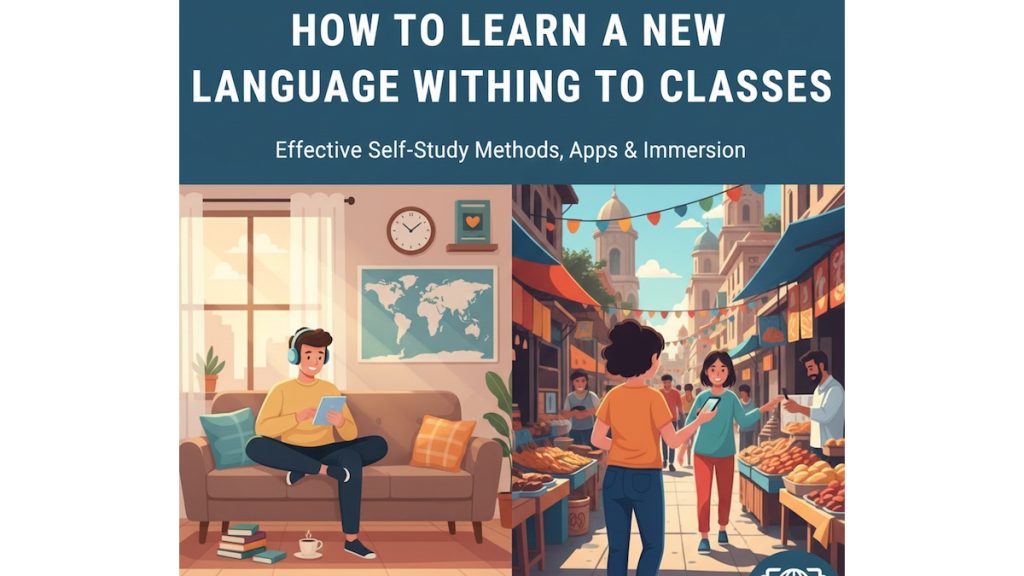
Traditional language classes are expensive, time-consuming, and often ineffective for busy adults. Fixed schedules, outdated textbooks, and lack of real conversation practice leave many learners frustrated.
But here’s the good news: you can learn a new language without going to classes—and many people now reach fluency faster doing it.
With the right tools, structure, and daily habits, self-learning a language is no longer a gamble. It’s a smart, flexible, and affordable alternative that works for beginners and advanced learners alike.
This guide shows exactly how to learn a new language at home, using modern strategies, practical tools, and proven language-learning apps—without overwhelming you.

Quick Summary
- You don’t need classes to learn a language
- Self-learning is cheaper, flexible, and often faster
- Apps, real conversations, and daily habits matter more than textbooks
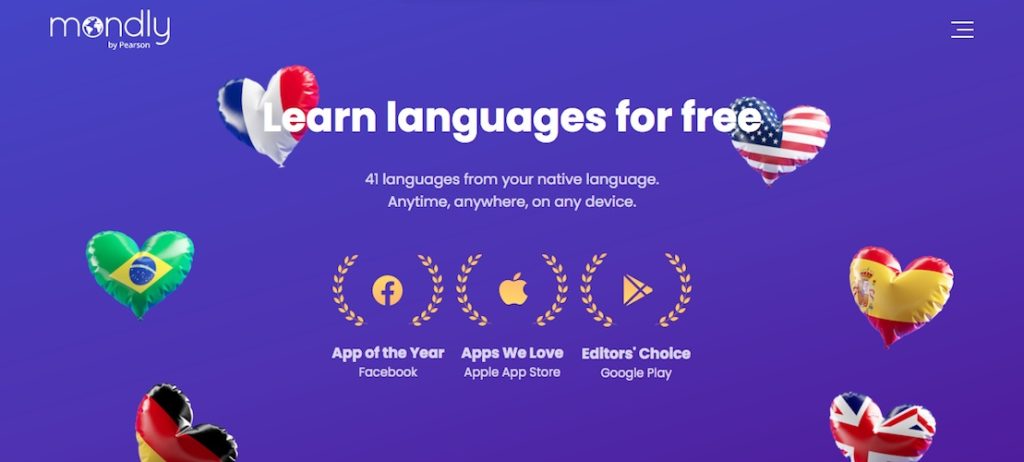
- Tools like Mondly by Pearson provide structured, class-free learning
- Consistency beats intensity every time
Why Learning a Language Without Classes Works
Language learning isn’t about memorizing grammar rules—it’s about daily exposure, practice, and repetition.
Here’s why self-learning works so well:
- Learn anytime, anywhere
- Study at your own pace
- Focus on real-world conversations
- Avoid classroom pressure
- Save hundreds of dollars
Most traditional classes teach theory first. Self-learning flips that model by focusing on speaking, listening, and understanding from day one.
Must Read : AVS4You Review – Is This All-in-One Multimedia Suite Worth It?
Step-by-Step: How to Learn a New Language Without Going to Classes
1. Start With Clear, Practical Goals
Before opening any app, ask yourself:
- Why do I want to learn this language?
- Travel, work, exams, or conversation?
- How fluent do I really need to be?
Clear goals help you stay consistent and choose the right learning tools.
Example goals:
- Hold a 10-minute conversation in 30 days
- Understand movies without subtitles
- Communicate while traveling
2. Use a Language Learning App for Structure
Self-learning fails when there’s no structure.
That’s where language learning apps shine.
One standout option is Mondly by Pearson, designed for people learning without classes.
Why Mondly Works for Self-Learners
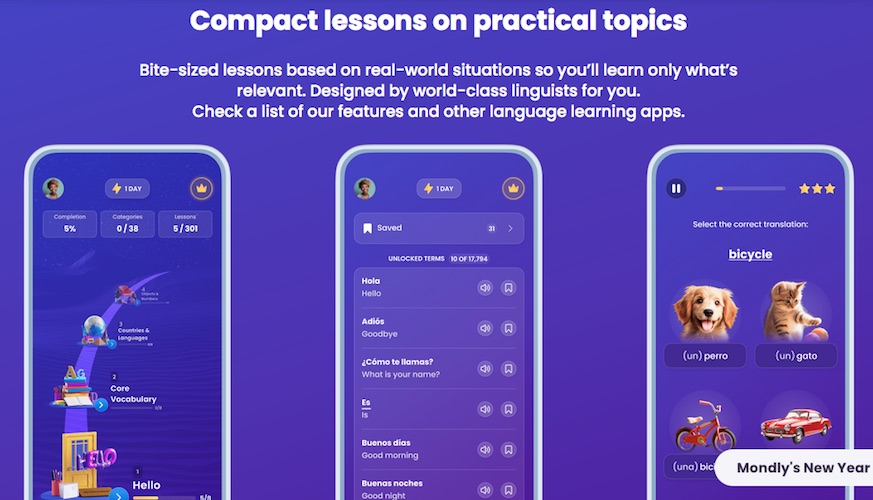
- Learn 41 languages from your native language
- Over 1,000 language combinations
- Bite-sized lessons (perfect for busy schedules)
- Real-life conversations, not textbook phrases
- Quick daily lessons to build habits
- Works on mobile, tablet, and desktop
Mondly was named:
- Editors’ Choice on Google Play
- Best New App by Apple
- App of the Year on Facebook
This makes it ideal for learners who want progress without classrooms or tutors.
👉 CTA: Learn more about Mondly’s features
3. Focus on Speaking From Day One
One of the biggest mistakes self-learners make is waiting too long to speak.
Instead:
- Speak out loud during lessons
- Repeat phrases even if you feel silly
- Practice pronunciation daily
Apps with speech recognition and conversation simulations help build confidence early—something classrooms often lack.
4. Learn Vocabulary in Context (Not Lists)
Memorizing random words doesn’t help you speak.
Instead, learn:
- Phrases
- Full sentences
- Common situations (ordering food, introductions, travel)
Mondly uses 40+ practical topics like:
- Greetings
- Travel
- Shopping
- Work conversations
This makes learning feel natural and usable.
Must Read : How to update your drivers in Windows automatically
5. Build a Daily Language Habit (10–15 Minutes)
You don’t need hours a day.
Consistency matters more than duration.
Best daily routine:
- 5 minutes: review vocabulary
- 5 minutes: lesson or conversation
- 5 minutes: listening or speaking
Mondly’s daily lessons are designed exactly for this purpose.
6. Use Listening to Train Your Brain
Listening trains your ear before you even speak fluently.
Easy ways to practice:
- Short dialogues
- Native pronunciation audio
- App-based listening exercises
Over time, your brain starts recognizing patterns automatically.

7. Simulate Real Conversations
You don’t need a classroom to practice conversations.
Modern tools offer:
- Interactive dialogues
- Real-world scenarios
- Instant feedback
Mondly includes 41 real conversations designed to improve fluency fast.
Must Read : Why Is My Phone Screen Pressing Itself? Causes, Fixes, and Long-Term Solutions
Comparison: Self-Learning vs Traditional Classes
| Feature | Self-Learning Apps | Language Classes |
|---|---|---|
| Cost | Low or Free | Expensive |
| Flexibility | Anytime | Fixed schedule |
| Pace | Your speed | Group-based |
| Speaking Practice | High | Limited |
| Real-Life Focus | Yes | Often No |
Pros & Cons of Learning Without Classes
✅ Pros
- Affordable or free
- Flexible schedule
- Faster speaking practice
- Personalized pace
- Learn from your native language
❌ Cons
- Requires self-discipline
- No physical teacher
- Progress depends on consistency
Who Is This Method Best For?
Learning a language without classes is perfect for:
- Busy professionals
- Students on a budget
- Travelers
- Digital nomads
- Introverts who prefer solo learning
Buying Guide: Choosing the Right Language App
Before choosing any app, check:
- Number of supported languages
- Native language support
- Real conversation practice
- Speech recognition
- Daily lesson reminders
- Multi-device access
Mondly checks all these boxes and is built with world-class linguists and award-winning technology.
👉 CTA: See full features and supported languages
Real-World Use Cases
Scenario 1: Learning for Travel
You can master travel phrases in weeks using topic-based lessons.
Scenario 2: Career Growth
Improve communication skills for international work.
Scenario 3: Personal Growth
Learn a new language for fun and mental fitness.
FAQs – People Also Ask
Can you learn a language fluently without classes?
Yes. With consistent practice, conversation-focused tools, and daily exposure, fluency is achievable.
What’s the best way to learn a language at home?
Using structured apps, daily habits, listening practice, and speaking exercises.
How long does it take to learn a language without classes?
Basic conversation can take 1–3 months. Fluency depends on time and consistency.
Are language learning apps effective?
Yes, especially apps with real conversations and speech recognition.
Is Mondly good for beginners?
Yes. It’s designed for beginners and advanced learners alike.
Can I learn multiple languages at once?
It’s possible, but focusing on one language at a time is recommended.
Internal Linking Suggestions
- Best language learning apps for beginners
- How to stay consistent while learning online
- Top productivity apps for self-learners
Final Verdict: Is Learning Without Classes Worth It?
Absolutely.
Learning a new language without going to classes is no longer risky or unstructured. With the right tools, especially modern language learning apps like Mondly by Pearson, you can achieve real progress—faster, cheaper, and more comfortably than traditional classrooms.
If you want flexibility, real conversations, and daily progress, self-learning is the smarter choice.